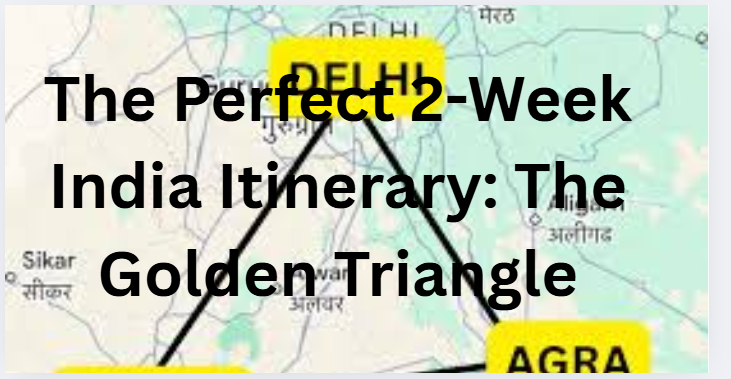
So, you’re planning your first trip to India. It’s a thrilling idea, but the sheer size and diversity of the country can make planning feel overwhelming. Where do you even start? For a first-time visitor, the absolute perfect introduction is the legendary Golden Triangle. This route connects three iconic cities—Delhi, Agra, and Jaipur—in a neat, manageable loop that serves up a powerful dose of India’s history, culture, and beauty.
Spending two weeks on this route is a brilliant idea. It allows you to move at a humane pace, absorb the sensory overload, and even add a couple of incredible detours that most rushed tours skip. This isn’t about ticking boxes; it’s about letting India work its magic on you.
Let’s walk through your perfect two-week adventure.
The Foundation: Delhi, Agra, and Jaipur
First, a quick overview of what makes these three cities so special. Delhi is the bustling, modern capital steeped in ancient history. Agra is home to the timeless Taj Mahal. Jaipur is the vibrant, pink-washed jewel of the desert state of Rajasthan. Together, they form a triangle on the map, hence the name.
Part 1: Delhi – The Heart of the Hustle (4 Nights)
Fly into India’s capital, and dive right in. Use your first day to simply recover from your flight and get your bearings. The chaos of Delhi is a lot to take in, so be kind to yourself.
Start your explorations in Old Delhi. This is the city’s historic core, a labyrinth of narrow lanes bursting with life. Visit the magnificent Jama Masjid, one of the largest mosques in India. Then, for a truly unforgettable experience, take a cycle rickshaw ride through the bustling, aromatic lanes of Chandni Chowk market. It’s pure, unadulterated energy.
The next day, shift gears and explore New Delhi. Here you’ll find the wide, tree-lined boulevards and grand government buildings from the British era. See the India Gate war memorial and drive past the Rashtrapati Bhavan, the official residence of the President. Make sure to visit Humayun’s Tomb, a stunning garden tomb that looks like a prototype for the Taj Mahal and is, in many ways, just as beautiful but far less crowded.
Part 2: Agra – More Than Just the Taj (3 Nights)
A common mistake is to rush into Agra, see the Taj, and leave. Staying for three nights allows you to experience the Taj Mahal properly—at sunrise. This is non-negotiable. The light is soft and magical, and the crowds are thinner. The sheer scale and perfect symmetry of the building will leave you breathless. No photo can prepare you for the real thing.
But Agra has more to offer. Spend an afternoon at Agra Fort, a massive red sandstone fortress that offers a distant, postcard-perfect view of the Taj Mahal from its balconies. For another perspective, visit Mehtab Bagh, the Moonlight Garden, directly across the Yamuna River from the Taj. It’s the perfect spot for a late afternoon view as the white marble begins to glow in the setting sun.
Part 3: The Road to Jaipur – A Detour to Fatehpur Sikri
The drive from Agra to Jaipur takes about four hours, but you have a spectacular stop to make along the way: the abandoned Mughal city of Fatehpur Sikri. This UNESCO World Heritage site was a short-lived capital in the 16th century and is remarkably well-preserved. Wandering through its red sandstone palaces and courtyards feels like stepping back in time. It’s a fascinating and often overlooked gem.
Part 4: Jaipur – The Pink City (4 Nights)
Jaipur is a riot of colour and colour. Your first sight will likely be the honeycomb-patterned Hawa Mahal, or Palace of the Winds. You’ll have plenty of time to explore it later.
Dedicate one day to the city’s two hilltop forts. First, visit Amber Fort, a sprawling complex you can walk or even take a jeep up to. Just above it is Jaigarh Fort, famous for housing the world’s largest cannon on wheels and offering incredible views.
On another day, explore the City Palace, which is still the home of Jaipur’s royal family, and the bizarre and fascinating Jantar Mantar, an ancient astronomical observatory with massive, sundials. Save time for shopping in the old city’s bazaars, known for their textiles, jewellery, and blue pottery.
The Icing on the Cake: Ranthambore National Park (2 Nights)
With two weeks, you have the luxury of adding a truly unforgettable detour. From Jaipur, it’s a few hours’ drive to Ranthambore National Park, one of the best places in the world to see Bengal tigers in the wild.
Spending two nights here gives you three chances to go on a safari. Seeing a tiger is never guaranteed, but even the anticipation as you drive through the beautiful landscape—which is also home to a stunning fort—is exhilarating. Spotting deer, monkeys, and a vast array of birds is a given. This break from the cities into the heart of nature provides a perfect balance to your trip.
This two-week Golden Triangle itinerary gives you the perfect blend of iconic sights, hidden gems, urban energy, and wilderness. You’ll leave with not just photos, but with the sounds, smells, and feelings of an incredible journey that will stay with you for a lifetime.
The End of One Journey, The Start of Another
As your two-week adventure comes to a close, you’ll realize this was more than just a vacation; it was a full-sensory immersion. The Golden Triangle does exactly what it’s supposed to do: it gives you a powerful, manageable, and deeply rewarding first chapter to your relationship with India. You’ve witnessed the timeless beauty of the Taj, felt the pulse of ancient Delhi, and been dazzled by the color of Jaipur.
The real success of this itinerary lies in its pace. By not rushing, you allowed yourself time to process the overwhelming moments and to discover the small, unexpected joys—the taste of a perfect cup of chai, the kindness of a stranger, the quiet peace of a garden at dusk. Adding Ranthambore provided that crucial contrast, reminding you that India’s magic exists as much in its wild landscapes as in its majestic palaces.
Frequently Asked Questions
Is two weeks too long for the Golden Triangle?
Not at all. While it’s possible to rush through the main three cities in a week, two weeks allows you to travel at a comfortable, human pace. It gives you time to recover from jet lag, absorb the intense cultural experiences without burning out, and add incredible detours like Ranthambore National Park, which most shorter trips have to skip. It transforms the trip from a checklist into a real holiday.
What’s the best way to travel between the cities?
The most comfortable and reliable way for this route is to hire a private car with a driver for the entire two weeks. It’s surprisingly affordable in India and offers incredible flexibility—you can stop for photos, take a detour, or change your schedule on a whim. The driver also acts as a de facto guide and helper. Trains are an option, but they require more planning and don’t offer the same door-to-door convenience.
I’m worried about getting sick. What precautions should I take?
“Delhi Belly” is a real concern, but it’s largely avoidable. Stick to bottled or filtered water (and avoid ice). Eat at busy restaurants where the food turnover is high. Choose food that is cooked fresh and served hot. It’s also wise to carry hand sanitizer and use it before every meal. Many travelers also pack a simple over-the-counter anti-diarrheal medication and rehydration salts, just in case.
What should I wear as a woman traveling in this region?
Dressing modestly is key to both showing respect and managing unwanted attention. The goal is to cover your shoulders and knees. Loose-fitting trousers or long skirts paired with tunics (kurtas) are perfect. A large, lightweight scarf is incredibly versatile—you can use it to cover your head in religious sites or drape it over your shoulders. The focus is on comfort and blending in, not fashion.
Is it safe to do a safari in Ranthambore?
Absolutely. The safaris are conducted in open-top jeeps (known as Gypsies) or larger canters with experienced guides and drivers. The animals, including the tigers, are accustomed to the vehicles and generally see them as a non-threatening part of the landscape. You must always follow the guide’s instructions, but the experience is carefully managed to be both thrilling and safe for visitors.